 Proofsheet
Film photography for beginners: shooting your first roll
Start with a simple 35mm or single-use camera, a mid-speed color film such as ISO 400 and good daylight. Shoot the whole roll, take it to a lab and read your results with a proof sheet. Or practice the habits first with a limited-roll camera app.
Coming soon to iPhone
What do I need to start?
A camera, a roll of film, a lab and some patience. You do not need to buy an expensive camera. A single-use camera, a secondhand point-and-shoot or a basic 35mm body will do. Wikipedia explains the basics under analog photography.
The rest is habit: good light, steady hands and not worrying about the result until the roll is done.
Which camera should I choose?
| Type | Effort | Control | Good for |
|---|---|---|---|
| Single-use camera | Lowest | None | Parties, a first try |
| Point-and-shoot | Low | Little | Everyday snapshots |
| 35mm SLR | Medium | Full | Learning exposure |
| Rangefinder | Medium | Full | Street, travel |
Which film should I buy?
A color negative film of ISO 400 is the common beginner pick. It copes with sun and shade and with most indoor light, and it is forgiving of exposure errors. Black-and-white film is also forgiving and is the usual choice for home developing. Read what does ISO mean for the numbers.
Check the box for the number of exposures, usually 24 or 36, and the speed.
How do I shoot a first roll?
- Load the film as the camera's manual says, in shade, and close the back fully.
- Shoot in daylight whenever you can. Bright, even light is the easiest.
- Keep subjects within a few meters, and use flash indoors if the camera has one.
- Take your time. You have a fixed number of frames.
- Do not open the camera until the film is rewound or the counter says you are done.
What is the one exposure rule worth knowing?
The sunny 16 rule: on a bright sunny day, set the aperture to f/16 and the shutter speed to one over your ISO. With ISO 400 film that is about 1/400 s at f/16. The Wikipedia entry on the sunny 16 rule explains how to adjust for clouds and shade. If your camera has a built-in meter, trust it instead.
When in doubt, give the film more light. Overexposed negatives hold up better than underexposed ones.
What should I do when the roll is finished?
Rewind the film if the camera needs it, take the cassette out in shade or take the whole single-use camera, and drop it at a lab. Ask for scans, and for prints if you want paper. How to get disposable camera photos developed covers the options and what to ask for.
How do I learn from the results?
Look at the whole roll in one go, then again in order. Notice which pictures have life and which are just there. A proof sheet is the best tool for this, because it shows every frame on a page. Read what is a contact sheet and mark the three you like most. Then ask what was different about them: light, distance, patience.
Keep notes on camera, film and light for each roll. After three rolls you will see what you like.
Can I practice before I buy film?
Yes, with a limited-roll camera app. Proofsheet loads a roll of 12, 24 or 36 frames, hides the pictures and develops them at a time you choose. It trains the habit that matters most: shoot, do not check, wait. Pick a 12-frame roll with one look, shoot for an evening and read the sheet. The film camera page has the details.
It is a digital app with its own film looks, so it teaches discipline but not exposure. It is also not on the App Store yet.
What are common beginner mistakes?
- Shooting too fast, then running out of film at the start of the trip.
- Opening the back of the camera before the roll is finished.
- Shooting indoors without flash or fast film.
- Choosing a very slow film and shooting in shade.
- Comparing the pictures with what a phone gets in the same moment.
How much should I spend on a first roll?
Keep it small. A used point-and-shoot or a single-use camera, a roll of film and a lab visit are enough to learn whether you like it. Prices differ by country and change often, so none are listed here. Compare two labs before you buy, and ask what scans cost.
Practicing the habit in a free camera app first costs only time.
What should I do on the second roll?
- Change one thing: a new film, a different light or a different subject.
- Keep notes on camera, film and what you did differently.
- Shoot fewer pictures of the same subject.
- Look at the first roll's sheet before loading the second.
- Try an indoor roll with flash, then an outdoor one without.
What do I do if the roll comes back poor?
First, work out why. Dark frames mean too little light. Blurry ones mean shaking or movement. Washed-out ones mean too much light or an old roll. Each has a fix: more light or fast film, steadier hands, less sun or fresher film.
Do not draw conclusions from one roll. Even experienced photographers lose frames to mistakes. A poor roll is information, and the second roll almost always goes better.
How do I build a habit?
Put a camera, or an app that behaves like one, where you will see it. Load a roll at the start of each month and decide a develop day. Look at each sheet when it arrives, circle three frames and write one line about what you learned. After a few months you will have a small archive and a clear sense of your taste. The week roll is a good starting rhythm.
Frequently asked questions
What is the best film for beginners?
A color negative film around ISO 400. It is forgiving across most daylight and indoor situations.
What camera should a beginner use?
A single-use camera, a secondhand point-and-shoot or a basic 35mm body. Expensive gear is not needed.
How do I get film developed?
Take the roll or the whole single-use camera to a photo lab or a mail-in service, and ask for scans, prints or both.
Can I practice film habits on my iPhone?
Yes. A limited-roll camera app such as Proofsheet trains the shoot, wait and reveal habit without film.
How many frames are on a first roll?
Usually 24 or 36 on film. Proofsheet offers 12, 24 or 36, and 36 is part of Pro.
Keep exploring
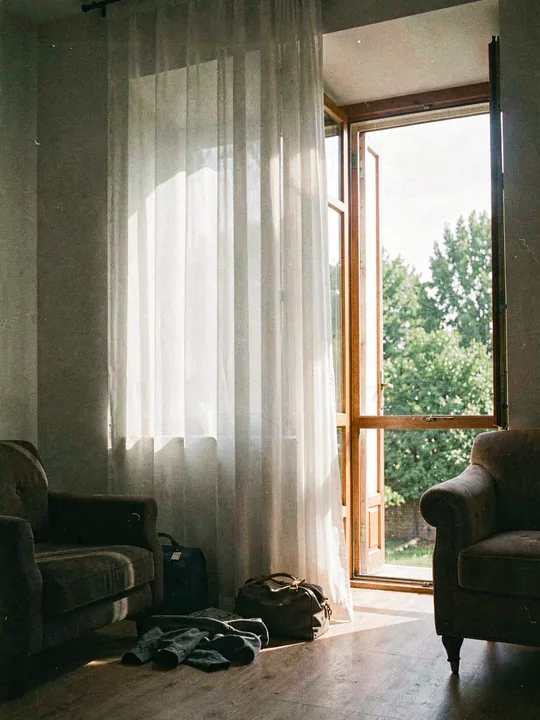 Film Camera App for iPhoneSmall viewfinder, thumb-wheel wind-on and a finite roll.